After time spent perusing various resources I found myself being continuously drawn to articles and information connected to audiobooks, and wondering how and why they can be useful tools in a classroom setting. I am not interested in focusing on the argument “do audiobooks count as reading?” because in my opinion they absolutely do. Rather, I’m invested in exploring how audiobooks can act as a gateway to reading for students who, for whatever reason, have not developed a love for reading. With this focus in mind, I have collected the following three resources.
This blog post from acclaimed educator Pernille Ripp starts off with a personal anecdote. A student of Mrs. Ripp’s, who had until that point never finished a book in her class, has flown through an audiobook and is eagerly awaiting her next recommendation. Ripp explains that this student is not the only one to have found positive reading experiences through the use of audiobooks. She then outlines exactly how incorporating audiobooks into her classroom has been beneficial to her students and their respective reading journeys. One reason why Pernille Ripp is such a respected educator in literacy circles is that she is still in the classroom, and can therefore speak directly to how the strategies and methods that she travels the world speaking about can be directly used in a typical classroom setting.
The next resource is an article by educator Tom Knutson in the Illionis Reading Council Journal. In his 17-page article, Knutson explains how he examined the use of audiobooks in the context of a summer reading course he taught to a group of 5 adolescent students who had been referred by their teachers because of their low scores on reading assessments. Knutson outlines how audiobooks can be useful, and the science behind audiobooks and their validity, citing the research of others. The bulk of his article though, explains how he incorporated audiobooks into his summer reading program, focusing particularly on two aspects:
- “How do audiobooks shape reading motivation and engagement?”
- “How do the readers in my summer school classroom … perceive the use of audiobooks as a way to help them better understand what they read?”
Knutson found generally that having access to audiobooks had a significantly positive effect on reading motivation with his students, with most of them citing that their independent reading time was their favourite part of the class. He also explains that each of his students felt more confident in their comprehension and understanding of the reading material when they had access to audiobooks.
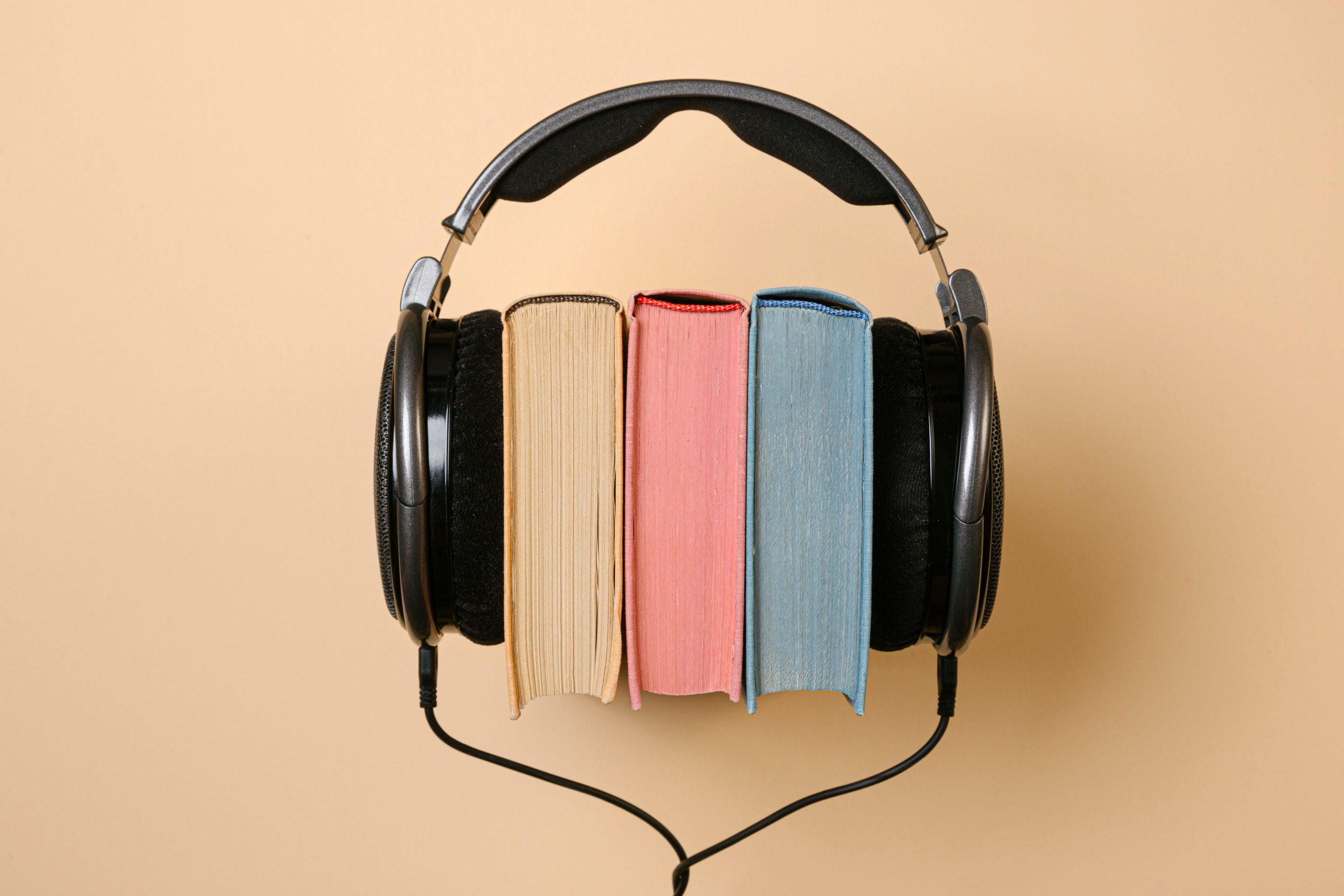 |
| Let's get this straight: audiobooks absolutely count as reading. |
My third resource is another blog post, but while Ms. Ripp’s blog post was taken directly from her personal blog, this post comes from the website, Reading Partners, a non-profit organization whose mission is help communities provide their primary-aged children with the support they need to read at grade level by the time they reach fourth grade. This particular blog post, written by AmeriCorps literacy lead Shiori Zinnen, looks at the hows and the whys of audiobooks and their connection to literacy development. This is an excellent resource for educators, or really any reader of audiobooks, as it outlines the validity of audiobooks as reading experience. Unfortunately, there are still many who argue that audiobooks do not count as real reading, so this post is helpful for having the information at hand that disproves that theory.
Further Questions to Consider
While I am of the belief that audiobooks absolutely count as reading, as I mentioned earlier, that is not the issue I'm intending to focus on. I am convinced that audiobooks hold incredible potential as a tool for literacy engagement. Although the resources I have selected currently focus on students with reading difficulties, I am also interested in how audiobooks can be a beneficial tool to the wider group. I'm also invested in exploring how to make audiobooks just as easily accessible to students as physical books in the library learning commons (and by that I mean the ability to walk into the library and sign out a physical books).
For my readers, I would love to know how or if audiobooks have been a part of your reading journey, or your educational journey?
References
Knutson, T. (2019). Exploring the influence of audiobooks on adolescent readers’ motivation and reading comprehension. Illinois Reading Council Journal, 47(4), 3–18. https://doi.org/10.33600/ircj.47.4.2019.3
Ripp, P. (2016, January 7). Why Audiobooks in the Classroom? [web log]. Retrieved May 28, 2022, from https://pernillesripp.com/2016/01/07/why-audio-books-in-the-classroom/.
Zinnen, S. (2021, October 27). Listen and learn: How audiobooks can support literacy development. Retrieved May 29, 2022, from https://readingpartners.org/blog/audiobooks/#:~:text=Good%20audiobooks%20showcase%20fluent%2C%20interpretive,especially%20in%20second%20language%20learners.

You have curated, linked, and annotated a good list of resources to support your inquiry. Your work is thorough and thoughtful. You have a strong foundation here for future work. If you intend to continue with this theme for your final project, you may want to start thinking about what kind of digital artifact you could make to share and showcase your learning.
ReplyDelete